
Fainting (Myotonic) Goats
A genetic disorder that’s beating natural selection


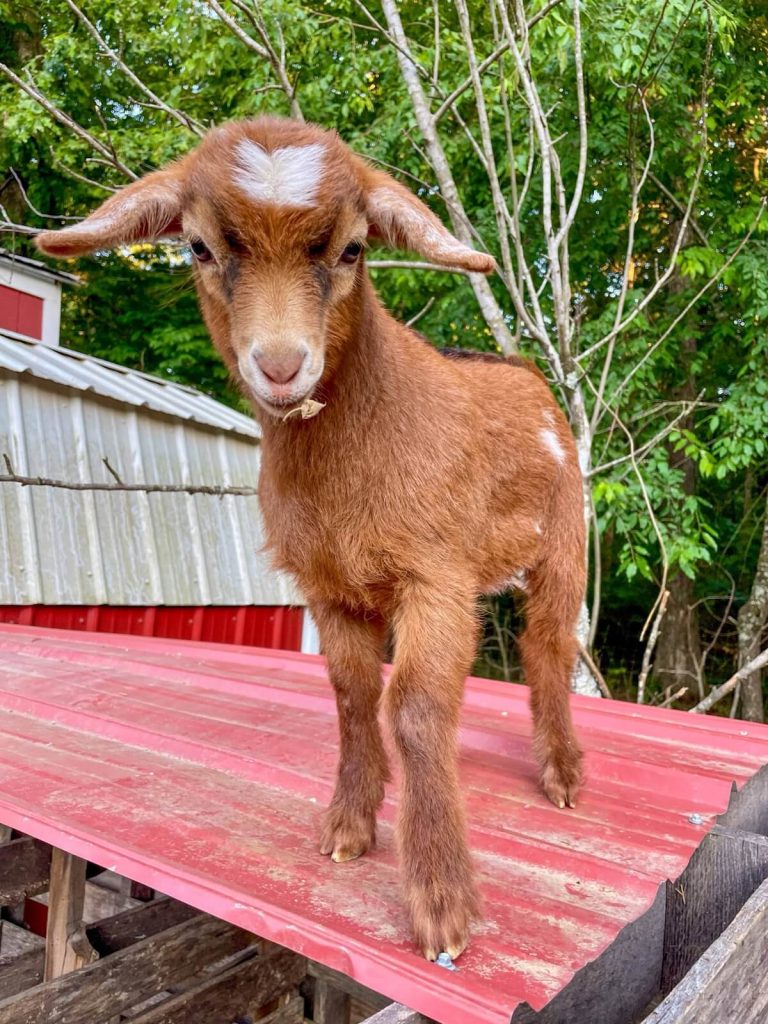
What are fainting (myotonic) goats?
Myotonic (or fainting) goats appear to be an aberration of nature. And honestly they really are because what animal would survive to pass on its genes if it fainted in the face of death? Well apparently the fainting spells really amused someone way back when so these goats are still around to grace us with their presence.
Their fainting stems from a genetic disorder called myotonia congenita which makes them stiffen when startled or excited. They’re not actually fainting, just freezing up, but they’ll fall over which makes it look like they’re passing out. They can faint from simply jumping.
“Fainting goats are thought to have appeared in around 1800 in Tennessee, USA, but there is no conclusive evidence as to their origin. Experts aren’t certain whether the genetic mutation that has caused their myotonia congenita appeared spontaneously, or whether it was introduced from another breed.” – Natural History Museum
The goats aren’t hurt from freezing up as long as they don’t fall on something dangerous or something isn’t looking to eat them. The beneficial side of this genetic disorder is that the goats tend to be meatier. The disorder that affects their muscles also makes their muscles grow. People keep them as pets and as meat goats, but not typically as dairy goats.
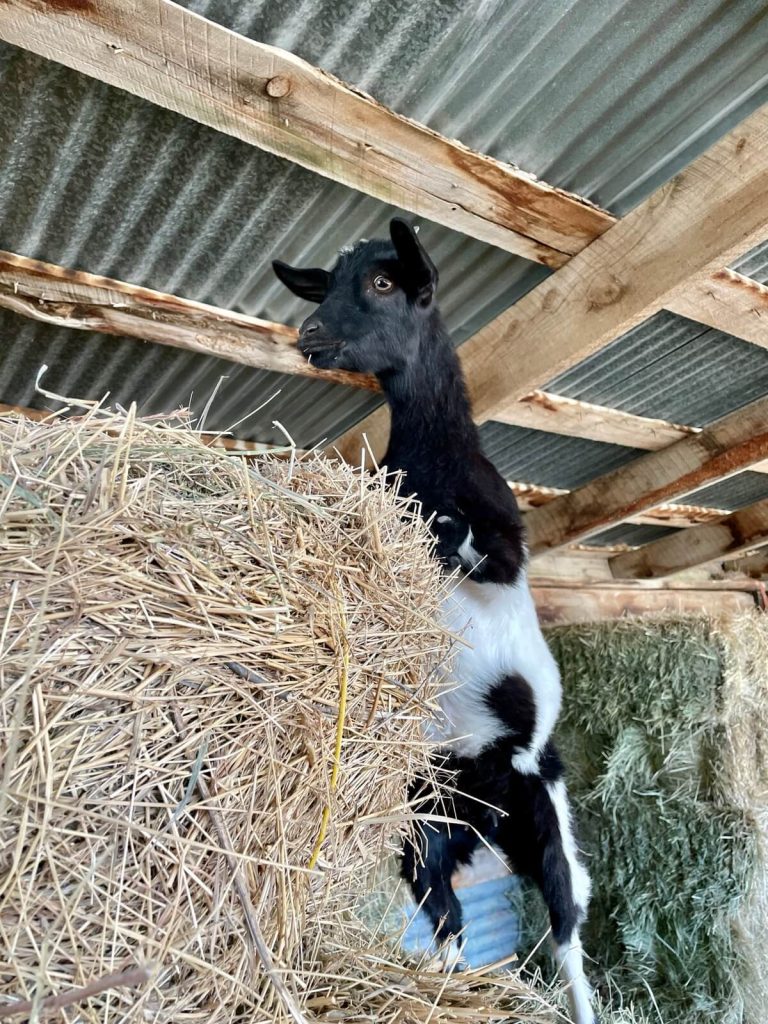
Now offsetting the growth in muscle is that ours are miniature in size so your meat production won’t be as great as larger goats. But this is also beneficial because they’re not escape artists and they aren’t climbing and jumping like you’d expect from a typical goat. They make for much easier handling this way.
Myotonics are hardy and do well in a wide range of climates. Due to strong genetics, myotonics are known for good health and a lower susceptibility to common goat diseases.
Fainting goats typically stand between 17 to 25 inches tall and weigh 50 to 100 lbs. They’re perfect for small farms, hobby homesteads, or families with limited space. They’re known for their calm, friendly, and social nature and are excellent with children and other animals.
Our Goats
We pride ourselves on happy, friendly, and healthy goats. Our fainting (myotonic) goats are as friendly as bottle babies without being bottle babies because we’re hands on with them from birth. This way they stay longer with mom resulting in a happier and healthier goat.
We utilize our goats for land management.
We don’t vaccinate, feed grain, disbud, or purposefully create bottle babies.
Our closed herd was tested clean from Caprine Arthritic Encephalitis (CAE), Johnes, & Caseous Lymphadenitis (CL) in December 2024 by the Washington Animal Disease Diagnostic Laboratory (WADDL).
Join our newsletter for news on kids!
Learn practical homesteading skills and see what’s happening on the ‘stead in ONE helpful email each month.
Never Spammy, Sometimes Helpful, Always Entertaining
Our Breeding Pair

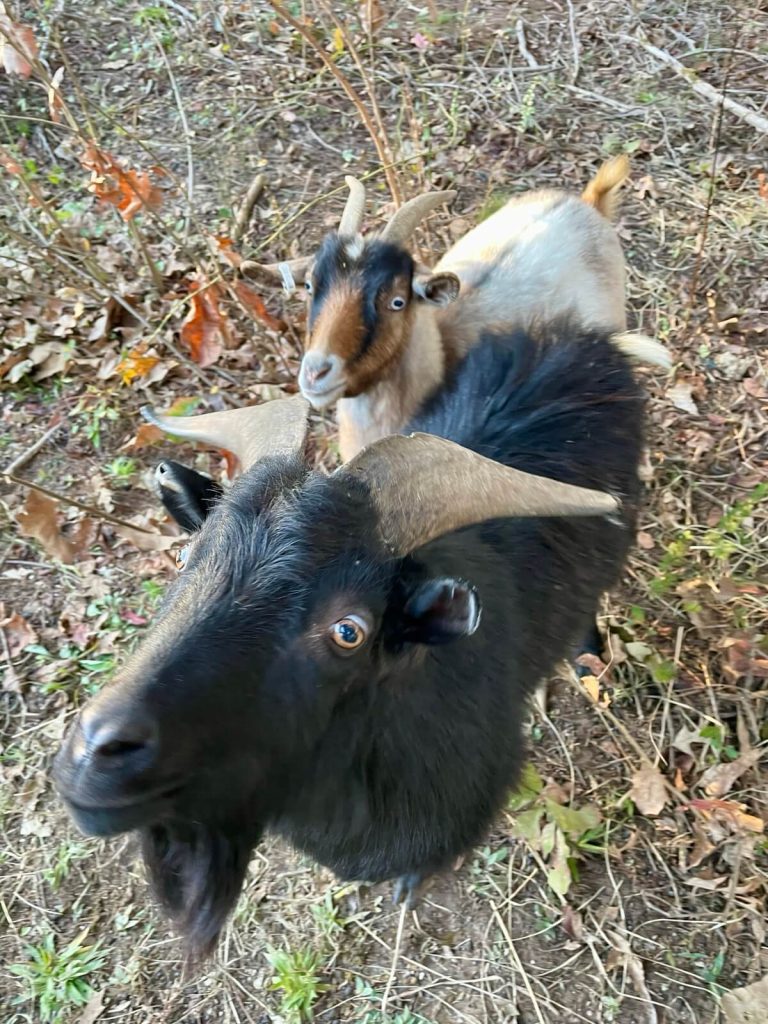
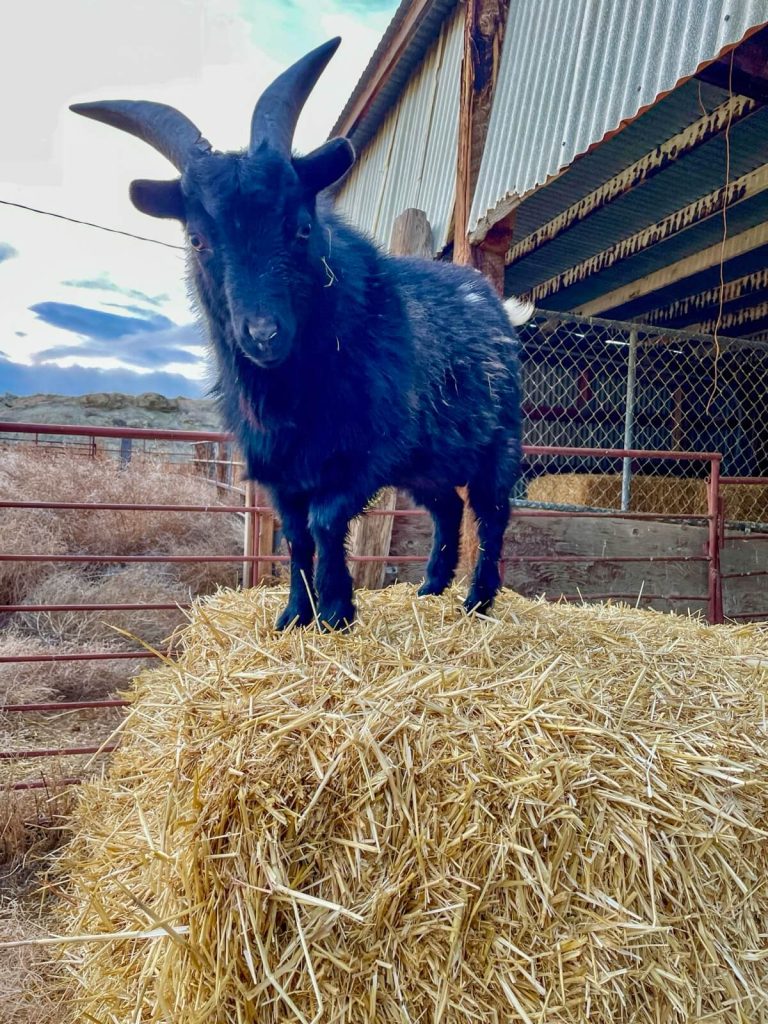
Peaches is our doe and Pender is our buck. Pender stands 24 inches high at the withers at three years old and Peaches is smaller than him.
Our goats are unregistered but have all exhibited full faints.
Kids From Years Past
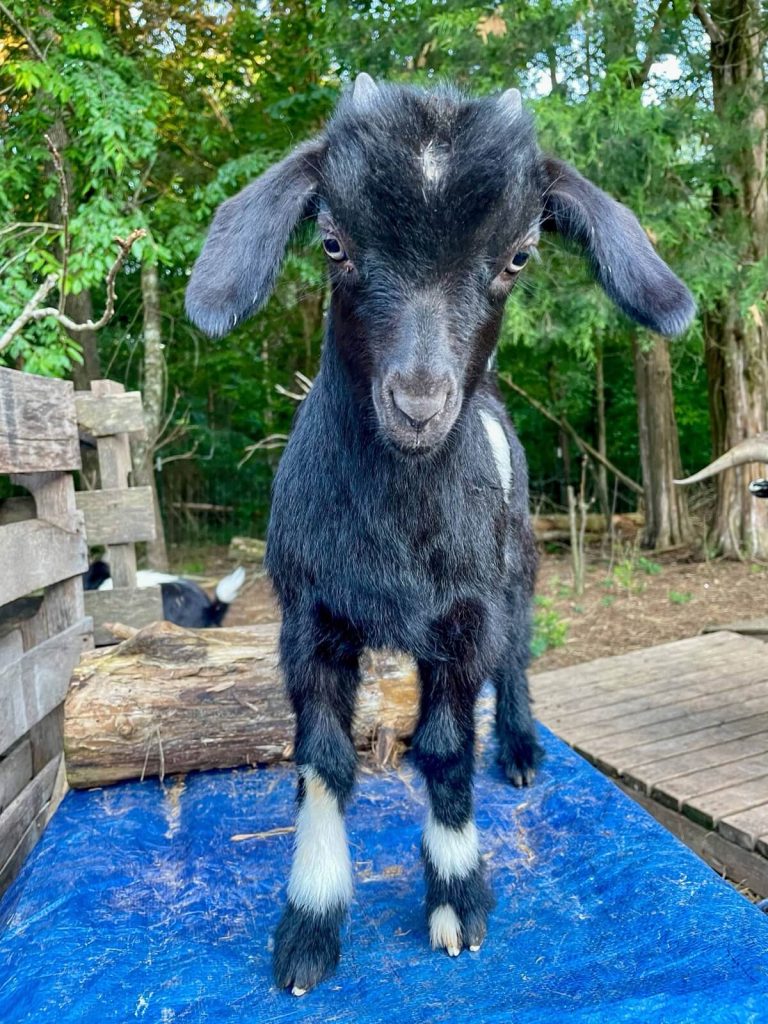


Interested in adding a fainting kid to your home?
Check out our current availability here.
