Svarthöna (Swedish Black Hen) Chickens

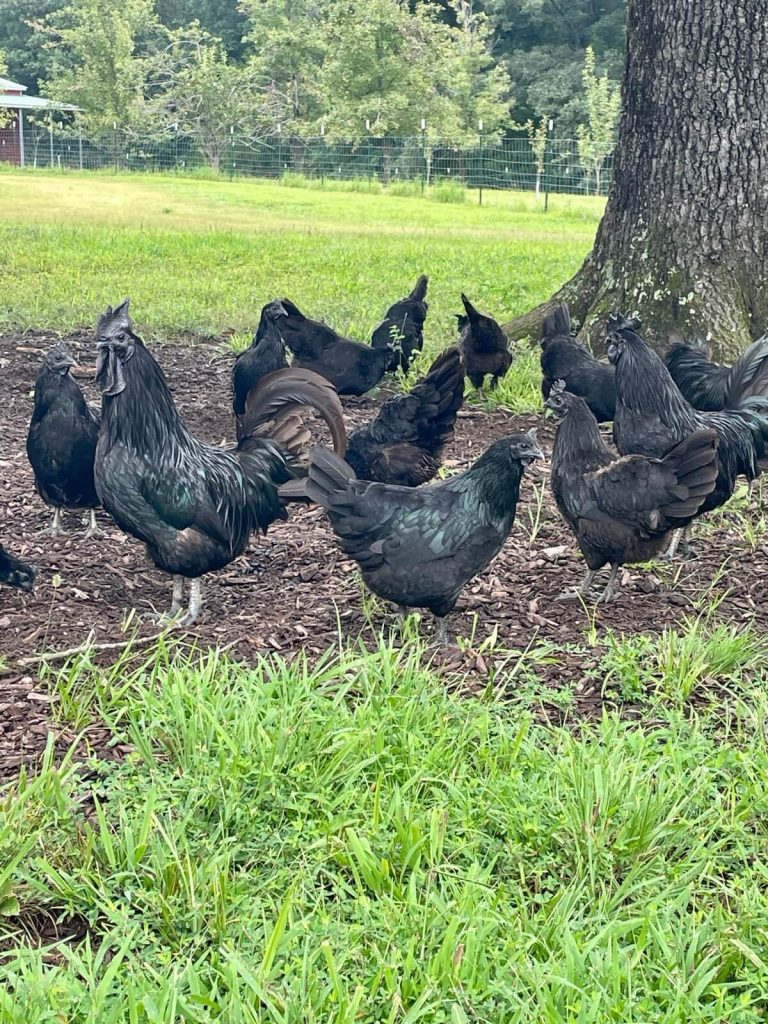
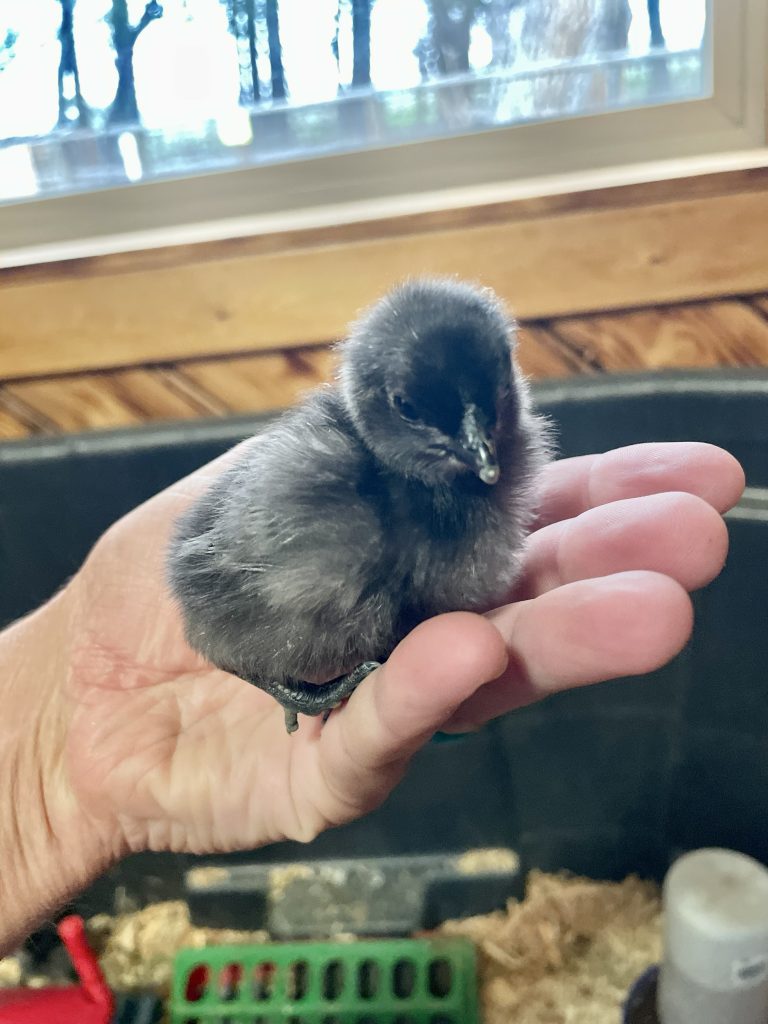
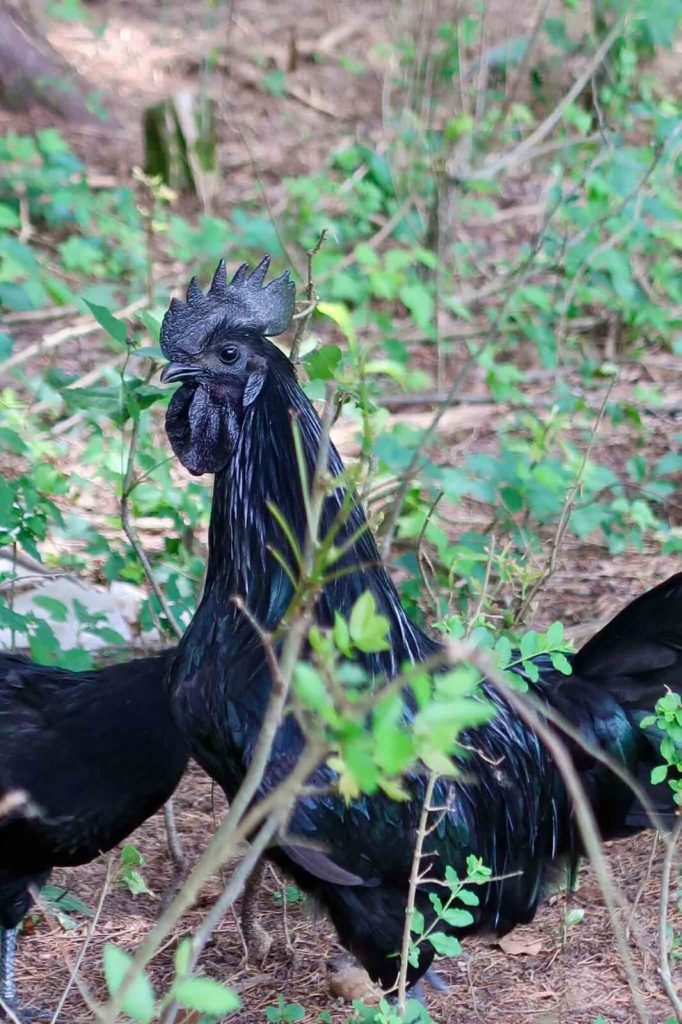

The Svarthöna, also known as the Swedish Black Hen, is a rare and stunning landrace native to Sweden. Known for its striking, all-black appearance, this bird is valued for its beauty, winter laying abilities, foraging and free ranging abilities, and cold hardiness. Whether you are a backyard chicken keeper or a seasoned breeder, the Svarthöna is a captivating addition to any flock.
Our original breeding stock came from Greenfire Farms, as do most all bloodlines in the US. However, we’ve been through many iterations of hatching and culling since then to shape them to our own breeding standards.
Meet the Svarthöna
The Svarthöna is one of Sweden’s oldest surviving landraces. Extremely rare, these birds are numbered at less than 500 in their native Sweden as of 2024.
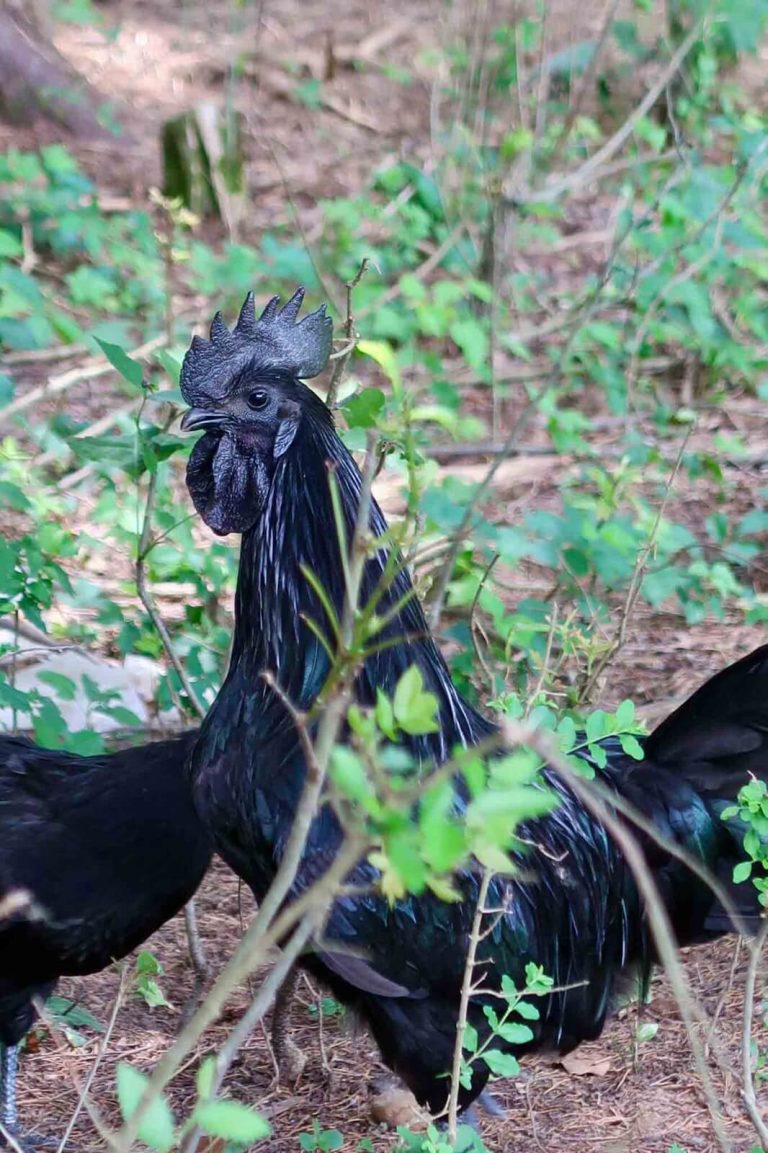
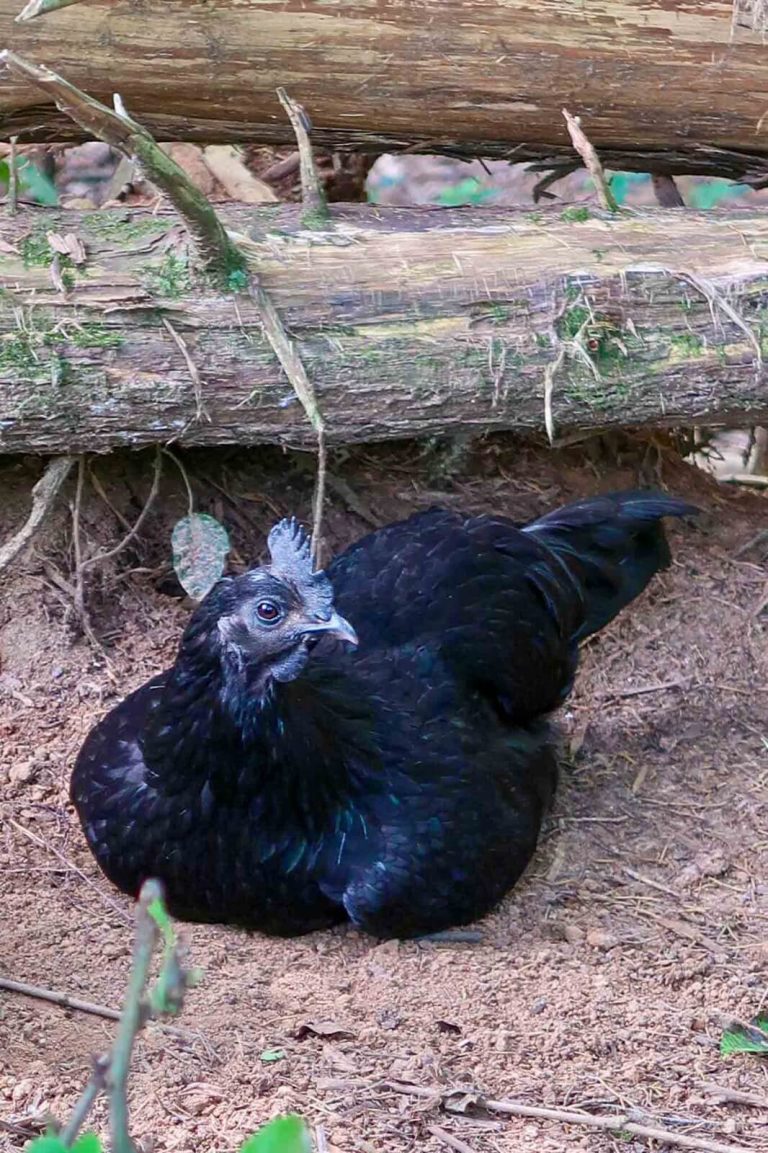
Svarthönas are black from head to toe including feathers, beak, skin, even their bones and meat. This pigmentation is due to fibromelanosis. You may be familiar with this in the more well-known breed, Ayam Cemani. The Ayam Cemani are the warmer climate cousins of the Svarthöna. The Svarthöna are vastly more rare than their warm climate cousins.
Svarthönas are medium-sized chickens weighing between 5 and 7.5 lbs.
They lay small to medium-sized cream to light beige eggs. They produce around 200-250 eggs per year and are good winter layers.
Due to their Scandinavian heritage, they are resilient and adapt well to various climates, especially cold climates. As strong foragers, they are the perfect option for free ranging your flock. This instinctual ability helps cut down on feed costs.
Svarthönas are known for their calmer nature and are great for small backyard flocks and families with kids. We select strongly against human aggression in our breeding program, and our roosters have consistently been calm around people.
Why We Raise Them
We are a small, intentional breeder focused on preserving and improving the Svarthöna breed through careful selection, thoughtful husbandry, and responsible flock management
We originally chose Svarthöna in 2023 when we lived in Wyoming dealing with long, harsh winters. A cold hardy, good winter laying bird was a must.
Cold Hardy
Due to their Scandinavian origins, the Swedish Black Hen can handle extremely cold temperatures. Ours survived and thrived in -50 degree windchill blizzards and continuous days on end of sustained -10 degree temperatures. These birds handled Wyoming’s harsh climate perfectly.
Excellent Foragers
Svarthöna are excellent foragers and will travel around to find food in grass, seeds, or bugs. This foraging skill means they can help supplement their own feed costs and they have a generally better well-rounded diet than birds who are not good foragers.
Because of this skillset, they’re also alert for predators and will take cover from aerial predators.
Free ranging and foraging makes for happy, healthy birds.
Calmer Temperament
Svarthöna are known for having a calmer temperament, on average, than other breeds. While they won’t perch on your shoulder, they won’t be aggressive and can learn to be called for treats.
Productive Layers
Svarthöna lay cream/tinted, small to medium sized eggs. They can lay, on average, around 200 eggs annually with better winter laying than most chicken breeds.
Learn practical homesteading skills and see what’s happening on the ‘stead in ONE helpful email each month.
Never Spammy, Sometimes Helpful, Always Entertaining
What Makes Svarthöna Different from Ayam Cemani?
Here are a few key differences between the Svarthöna and the Ayam Cemani.
| Svarthöna | Ayam Cemani |
|---|---|
| Sweden | Indonesia |
| Cold hardy | Warm climate adapted |
| Landrace | Standardized breed |
| 200-250 eggs/year | 60-100 eggs/year |
| Shorter, compact build | Tall, gamebird build |
| Extremely rare | Rare, but more common |
| Excellent winter layer | Poorer winter layer |
Our Breeding Philosophy
Svarthöna are a landrace and not a breed. The standards for landraces are more lax and accepting, but we focus on certain standards in our flock.
Our main focus is removing these four from our flock:
- Color leakage
- Rooster aggression
- More than four toes
- Mulberry wattles and combs
We also work to remove, but not as aggressively, the following:
- Floppy combs
- More than five points on combs
Color leakage refers to white or red feathers appearing in an otherwise black bird. Because one of the defining traits of the Svarthöna is its all-black appearance, we select against this trait in our breeding program.
Above all, we select for healthy, cold-hardy birds with excellent foraging instincts, strong black pigmentation, and calm temperaments.
By following certain standards we are able to maintain a healthy flock that we can share with others to do our part in keeping Svarthöna from going extinct.
How Our Birds Are Raised
We allow our birds to free range at their leisure which allows for happy and healthy birds even at the small risk of predation.
We provide organic feed along with oyster shells, kelp, and the occasional mealworms as a treat.
We handle our hatched chicks daily until they join the flock in the coop. Their coop is free from drafts and provides a safe place for roosting at night and to weather inclement weather.
Our coop is close enough to the house that we don’t encounter large, ground predators, but our livestock guardian dogs help deter aerial predators and small, ground predators like possums and racoons.
We do not allow anyone outside of our family near our birds or their coop for biosecurity reasons. If you purchase chicks or hatching eggs from us, we will bring them to you. However, we are happy to share pictures and videos of our birds so that you can see how well they’re being cared for.
Living With Svarthöna
Living with Svarthöna is a little different than keeping many common backyard chicken breeds. They are active, alert birds that enjoy foraging, yet they’re calm enough to fit well into a family flock.
Svarthöna don’t wander as far as guinea fowl, if you’re familiar with those birds, but they will go farther than many breeds to forage. This is a great attribute especially if you live in an area with ticks. Those are special snacks. If you live by a busy road, you might want to set up deterrents so the birds head away from that direction.
In our experience, Svarthöna hens and roosters are about as noisy as most other chicken breeds. Honestly, a hen announcing she’s laid an egg is usually louder than one of our roosters greeting the morning.
While we’ve occasionally found them perched in trees during the day, they reliably return to the coop each evening to roost.
Despite their reputation as a cold-hardy breed, we’ve also been impressed by how well they handle Tennessee summers. We’ve seen them tolerate heat indexes above 110°F. Like any chicken, they’ll pant and hold their wings away from their bodies to help cool themselves, so providing plenty of fresh water and shade is essential.
Svarthöna are curious enough that training them with treats is easy. Offering a handful of mealworms is usually all it takes to have them come running, and watching them gently eat from your hand never gets old.
Our hens occasionally go broody, though not nearly as often as dedicated broody breeds like Silkies. They are good mothers.
After years of keeping Swedish Black Hens, I’m still impressed by how aware they are of their surroundings. They somehow manage to free range enthusiastically while remaining remarkably alert to potential predators, a trait that has continually surprised me.
Are Svarthöna Right for You?
Svarthöna are a great choice for you if you want:
- A rare heritage landrace
- Excellent foragers
- Cold-hardy birds
- Calm temperaments
- Good winter layers
- A conversation piece (everyone always comments on our birds when they see them)
Svarthöna may not be for you if you want:
- Large brown eggs or other egg colors
- Heavy meat production
- A bird that sits on your lap or shoulder
- Instant availability
Frequently Asked Questions
Do black chickens lay black eggs?
Unfortunately, as cool as that would be, Svarthöna do not lay black eggs. They lay cream/tinted eggs. The closest any poultry get to laying black eggs is the Cayuga Duck. Learn more here about this black egg myth.
Are Svarthöna friendly?
While they won’t perch on your shoulder, they will eat from your hand and come to a call if trained to do so with treats. Our chickens, and especially roosters, are not aggressive.
Are they good with children?
If you’re looking for pet chickens who sit on your lap, you’ll want to try a different breed. But if you’re just looking for non-aggressive birds that won’t attack children, the Svarthöna is for you.
Can they survive winter?
Absolutely! Our flock has survived sub-zero temperatures for days on end in Wyoming. They’re literally bred and built for harsh winter weather.
How many eggs do they lay?
Svarthöna lay, on average, around 200 eggs annually.
Can you sex chicks?
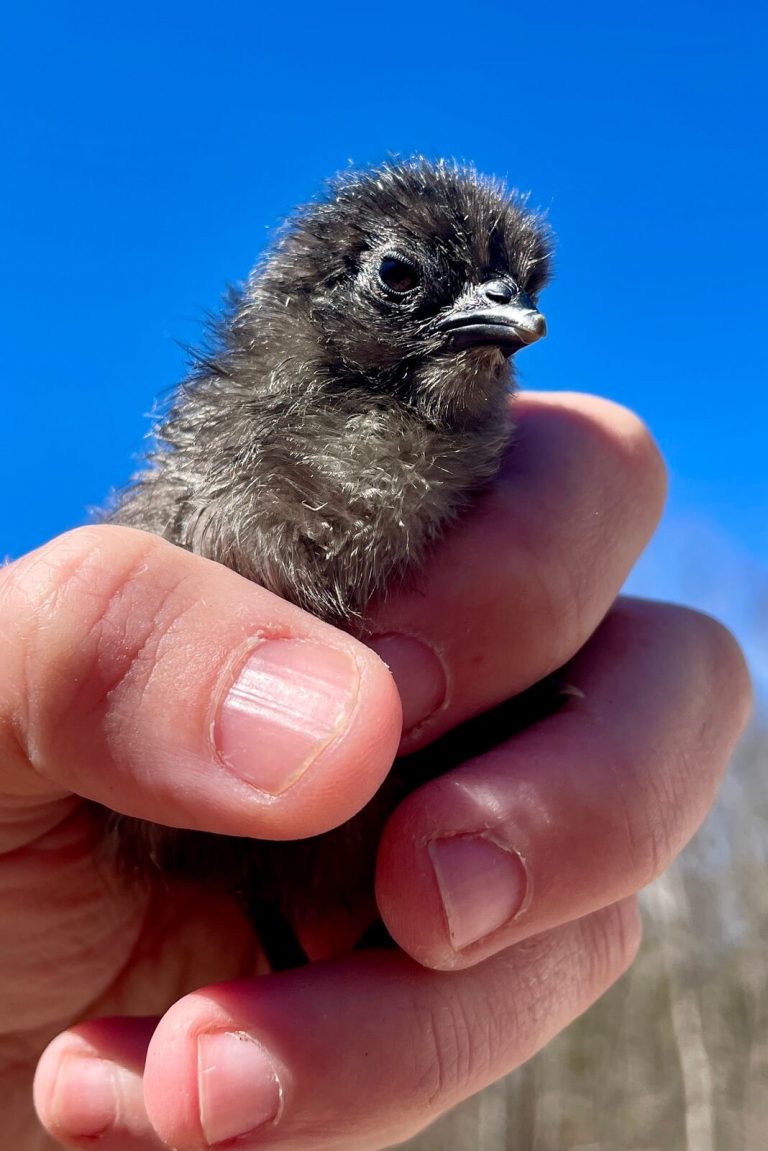
Swedish Black Hen chicks cannot be sexed at hatching. We typically wait until around week eight before determining sex based on comb and overall size.
Are they noisy?
They are no more noisier than any other breed. If you want noisy, try guinea fowl. Sheesh.
Why are they expensive?
These birds are rare, and with that comes a higher price. But ethical breeders spend a good bit of time and effort on maintaining and improving flocks to meet certain standards for appearance, health, and temperament. This leads to a higher cost than your typical backyard chicken breed.
Interested in raising Swedish Blacks?
Check out our shopping information here.