Preparing for Your First NPIP Inspection: What to Expect
This post may contain affiliate links. Please read our Legal Policies.
Starting NPIP can feel intimidating. As someone who likes to feel fully prepared for such important events, it was tough finding out what to expect on that first testing visit. Even after much research (read: Googling and posting in Facebook groups), we couldn’t find what to truly expect on that first day beyond a generalized idea that the birds would each be swabbed and have blood drawn.
The good news?
Our experience, in both Wyoming and Tennessee, was surprisingly less stressful and more laid back than expected.
Requirements vary by state, so always check with your state coordinator, but here’s what our testing day looked like and how we prepared. Think of this guide as a checklist, not written in stone, for starting your NPIP testing.
What is NPIP?
Check out our beginner’s guide to NPIP here.
Before You Schedule Your Inspection
Spend some time reading the information your state provides regarding NPIP. Generally you can find this information by Googling NPIP plus your state’s name.
You can also search online forums, like Backyard Chickens, or NPIP related Facebook groups, like NPIP Breeder Directory and Everything Else NPIP, to find out more information regarding your state. The more recent firsthand accounts the better, as sometimes states change procedures.
Compile a list of concerns and questions you may have regarding testing and what’s required. Think about this over a few days to make sure you’ve gathered all your thoughts and then contact your state’s NPIP coordinator to get answers.
Important questions to ask your state coordinator are:
- What is the cost to join NPIP?
- Will the initial visit require an inspection of your facilities and incubators?
- What should you provide the testers in information or equipment?
- How should you best prepare for the testing day?
- What happens after testing?
Gather Your Paperwork and Flock Information
There is basic information you should determine beforehand to provide to the tester or state coordinator.
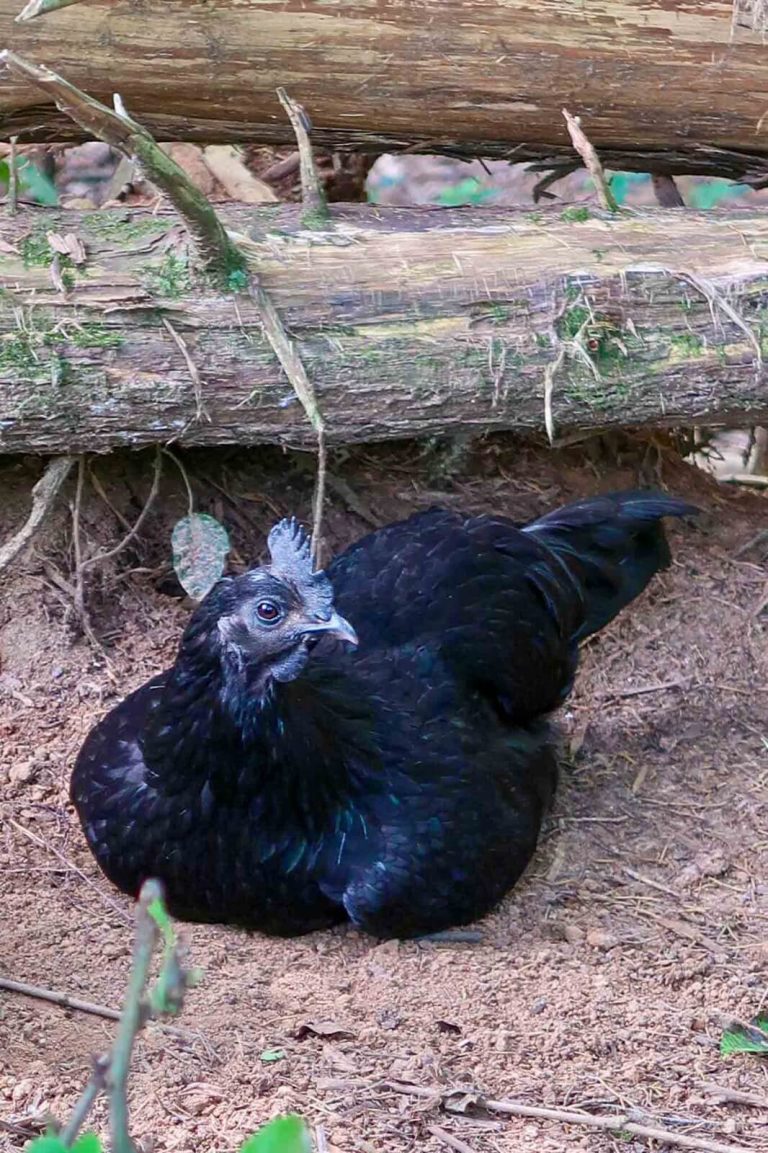
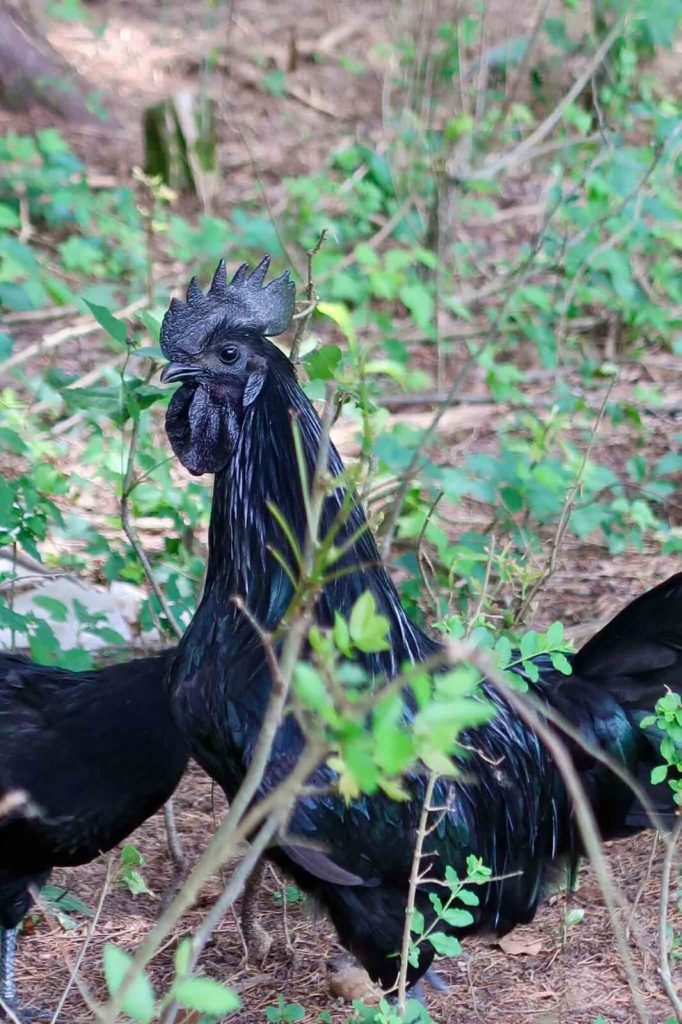
Determine the NPIP stock code(s) for each breed you own on the state’s NPIP breeder listing. For example, our Swedish Black hens (Svarthöna) are R1064.
Make an accurate count of your birds so that a proper sample can be determined and so you know all birds are accounted for in testing.
It’s also helpful to know the breakdown in ages and sex of the birds and what their purpose is (meat, breeding, etc.).
Prepare Your Birds
While states can have differing participation requirements, generally testing is done twice a year for avian influenza and once a year for Salmonella pallorum. For the initial visit, all birds over 16 weeks old are tested. Afterwards all birds over 16 weeks in flocks under 300 birds are tested while only a sample (up to 300 birds) are tested in larger flocks.
So for most NPIP participants, all of your birds are to be tested so you’ll want to gather them together in central locations that make them easy to catch. This is especially important if your birds free range. You’ll want to make sure they’re secured at night once they return to their coop so they can’t disperse in the morning. This will make catching the birds easier and less stressful for everyone involved.
Prepare Your Work Area
Every state and tester is different, but here are our general suggestions for setting up the testing area.
If you have a large flock, an extra set of hands is beneficial. One person can be catching a bird while the other holds a bird for the tester to swab and draw blood. The process will go much more smoothly and quickly with help.
We set up a small, clean table that the tester can use to set their supplies. We also provide a small bucket for used swab disposal.
If it’s cold out, try to find a place protected from wind and one that might be heated.
Cold Weather Tip: If it’s very cold, you may be asked for an extension cord. In winter testing, we’ve provided plant heating mats that the testers set their supplies on so that the liquids didn’t freeze. Wyoming gets very cold.
Likewise, if the weather is hot, set up in the shade or an air conditioned room.
Your working area should be clean, free of other animals, and have easy access to the birds.
What Happens During Testing?
During testing, you’ll meet your tester (or team of testers) at the work area near your flock. If you haven’t already provided documentation regarding your flock, they will record it at this visit.
In the initial visit, they may have you walk them through your facilities (depending on your state and tester). Then you’ll start catching birds and holding them for the tester to draw blood and swab their mouths.
Discussions on biosecurity may occur as well after testing is done depending on your state and tester.
Does Testing Hurt the Birds?
The blood draw and swab are quick procedures with experienced testers. While the birds may fuss from being handled, we haven’t found the process to cause lasting stress in most of our birds. Our flock returns to normal almost immediately afterward when let out to free range.
One note from our experience: We did lose one of our oldest hens, Boudica, the day after a testing visit. Because of her age, we have no way of knowing whether the timing was coincidental or whether the stress of handling contributed in some way. I’m not including this as evidence that NPIP testing is dangerous, but to be fully open and honest with our experience. Boudica seemed perfectly fine the rest of the day and as she settled into the coop that night. Overall, across multiple rounds of testing and many birds, our flock has handled the process well.

Questions You Should Ask Your Tester
While your tester is present, it’s a great time to ask any questions you have remaining.
Here are some questions you may want to ask:
- When should I schedule next year’s test? In both states we participated in, it was our responsibility to reach out to the tester to remember and set up the dates for testing.
- How do I submit Form 9-3 paperwork?
- How long do results take?
- Once results are back, how long does it take to receive my NPIP number?
- Are there any state-specific rules?
- Do requirements change often?
- What should I know that most participants don’t realize or understand?
Common Mistakes New Participants Make
Things don’t always go according to plan, but it’s best to be as prepared as possible for a stress-free, seamless first testing day.
Don’t forget to schedule the next testing date: Go ahead and enter into your calendar when you should reach out to your tester to schedule the next testing date in six months. This way you don’t forget to schedule testing to avoid being removed from the program.
Don’t forget to lock up your birds: The worst feeling is waking up the morning of testing and your birds are enjoying themselves free ranging. Hopefully you have them bucket trained where they’ll come to you for treats. You’ll want to make sure all birds are in a central location to easily test each.
Stock codes: Not knowing these codes yourself can delay your certification process or result in the wrong codes if the state coordinator has to guess what birds you have.
Schedule Early: Depending on your state, your tester may be busy and not able to conduct your initial testing when you want it to happen. Your best bet is to schedule well ahead of time that you want to start advertising and shipping poultry and eggs.
Don’t assume states are the same: Each state does their own thing so you shouldn’t expect one state to have the same procedures as another. Don’t assume and always ask as many questions as necessary to be fully prepared.
What Happens After You Pass?
Once your birds are cleared via testing, you’ll receive paperwork with a certificate stating your NPIP number and be set up to submit shipping information for approval. Some states have an automated form online while others are less robust like requiring just an email to a coordinator.
When submitting information for approval, you’ll provide the following:
- Stock number(s)
- Your flock’s location information
- Recipient’s information (name, address, email)
- Whether you’re shipping eggs or live birds
- The number of each bird and/or egg being shipped
- The intended use (meat, breeding, etc.) for each
You’ll wait for approval and include the approved NPIP VS9-3 form in the shipment. We recommend saving at least the past three years’ VS 9-3 Forms for your records in case of inspection.

Tips From Our Experience
From our experience, testing was never as stressful as I anticipated. Both in Wyoming and Tennessee our state coordinators and testers were wonderful people who made each process seamless. None were unwilling to answer my questions or to chat about their processes.
Both times I asked questions to thoroughly understand the process and what would be required of me in information, equipment, and walkthroughs. I felt very prepared besides my normal apprehension of something new.
The anticipation is worse than the actual testing. I promise.
Final Thoughts
Our experiences in Wyoming and Tennessee were different. Some states charge fees, others don’t. Some inspect facilities, while others focus primarily on testing. Your state’s NPIP coordinator is the best source for current requirements.
Testing day doesn’t have to be stressful. If you’re organized and communicate with your state’s NPIP office, the process is generally straightforward.
Every new NPIP participant has a first testing day. Ours turned out to be much less intimidating than we expected, and we hope yours is too.
Learn practical homesteading skills and see what’s happening on the ‘stead in ONE helpful email each month.
Never Spammy, Sometimes Helpful, Always Entertaining
FAQ
Does every bird get tested?
For the initial visit, all birds over 16 weeks old are tested. Afterwards all birds over 16 weeks in flocks under 300 birds are tested while only a sample (up to 300 birds) are tested in larger flocks.
How long does testing take?
This depends entirely on how many birds you have and how seamless your system is for getting birds to the tester. For large flocks it can be a multi-day event while for flocks like ours, less than 30, it takes less than an hour.
Does the tester inspect my coop?
It depends on the state you’re in. In Wyoming, our coop was inspected along with our incubators. In Tennessee, our coop wasn’t inspected. Ask your state coordinator for your specific location.
Can birds be tested in bad weather?
If you have a properly enclosed room free from inclement weather effects, you can still test your flock. If you don’t, then it’s best to ask your tester for a reschedule.
What if I miss my renewal?
Reach out to your state coordinator as soon as possible to remedy the situation and be tested to maintain good standing in the program.
Can I reschedule?
Generally yes. You’ll want to reach out to your tester to request a reschedule and it depends on how busy he or she is that month. We have rescheduled due to inclement weather in the past.
Do I need to clean my coop before the inspection?
Of course you should always maintain a clean coop for your birds’ health. While it doesn’t have to be perfect (it’s a coop, afterall), it’s a good idea to present clean, well-maintained facilities.