How to Evaluate a Chicken Breeder
This post may contain affiliate links. Please read our Legal Policies.
Whether you’re starting your first flock or looking to add to an existing flock, buying birds can feel overwhelming. There are seemingly endless breeders to choose from and nearly all of them believe they’re producing quality birds.
So how do you determine who to buy from?
Why Choosing the Right Breeder Matters
No matter the chicken breed you’re interested in, the factors to consider are the same when choosing a breeder.
Genetics
Genetics encompasses a bird’s health, appearance, temperament, abilities like predator awareness and free ranging, etc. Many breeders will speak to these factors on their website or social media. Good genetics don’t happen by accident. It can take many generations of birds for a breeder to be satisfied with their stock.
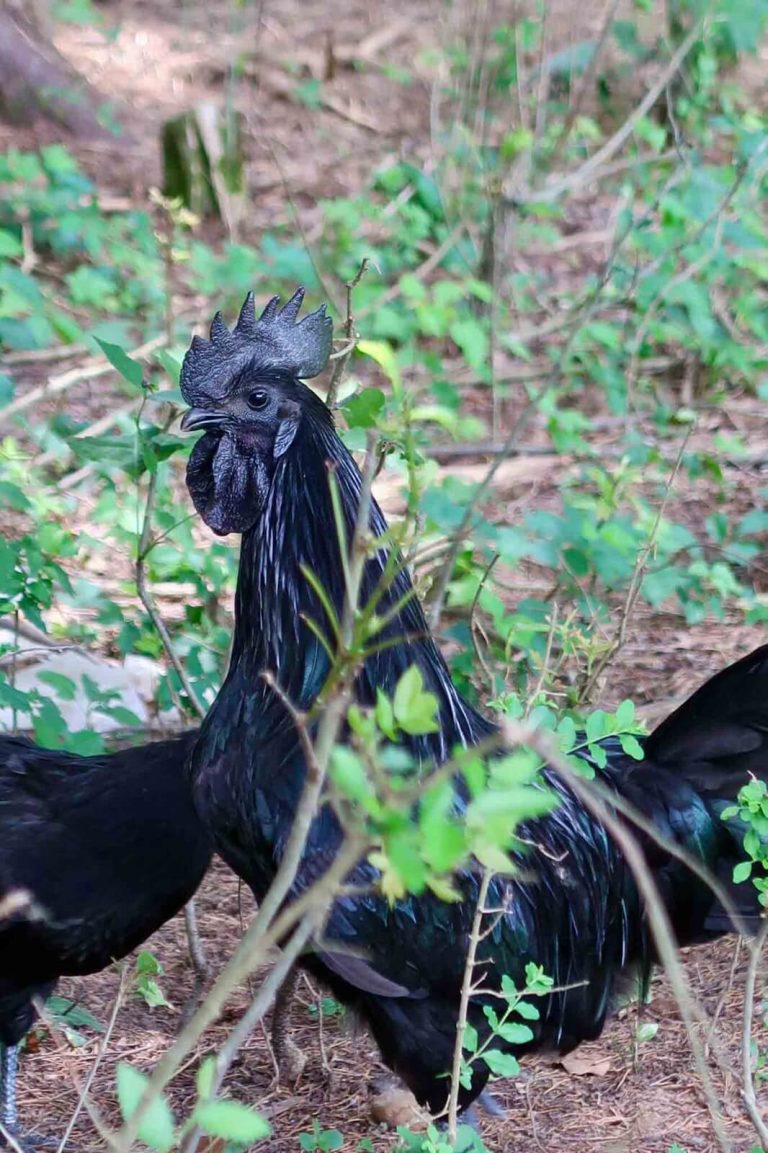
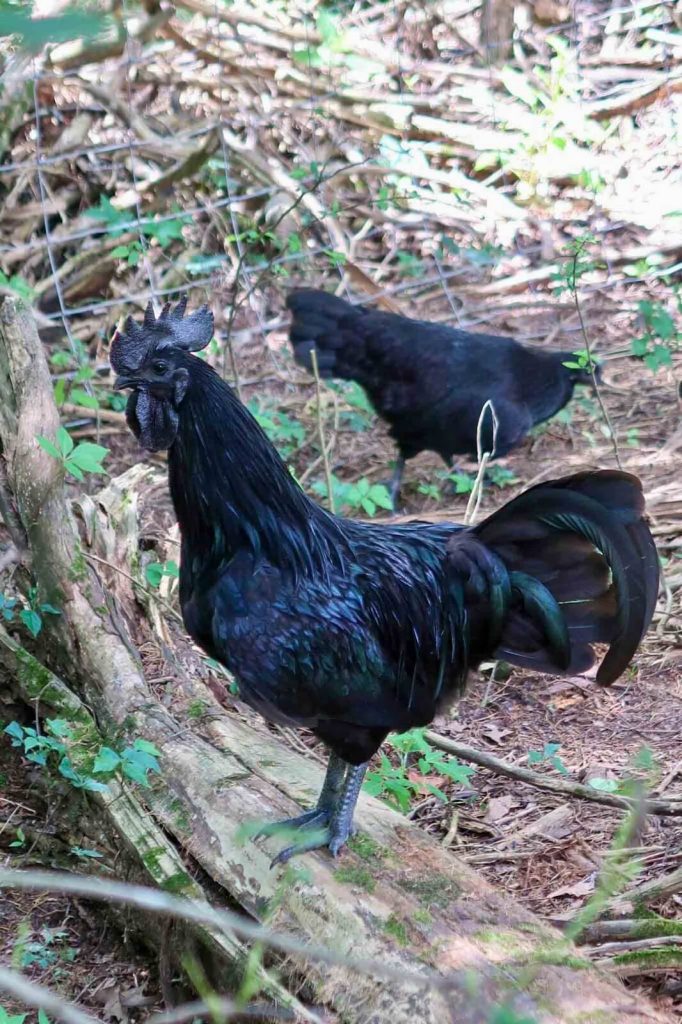
For example, while our birds originally came from Greenfire Farms we’ve been through many iterations of culling our flock to meet our own standards. This means our flock presents with different characteristics than what you might find at Greenfire Farms or other Swedish Black Hen breeders.
Breeders should be able to speak to flock genetics and goals and why it’s important for them to cull to specific standards.
Health
NPIP can be a confidence booster here. Flocks are typically tested twice a year for, at least, avian influenza and Pollorum-Typhoid. Now this doesn’t automatically mean that the flock is completely healthy. Flocks can carry diseases not tested for and can be infected by tested diseases in-between testings.
Looking at a breeder’s pictures of their birds and living environment can help clue you in on the flock’s health.
Temperament
Knowing a chicken breed’s typical temperament helps here when questioning a breeder. Knowledge is power and you should be aware of the general expectations of the breed you’re interested in so you can ask educated questions.
If the breeder shares videos it’s helpful to review them to catch glimpses of what a bird’s temperament might be.
Breed Preservation
Most breeds (not landraces) have standards set by a governing body or community. Familiarize yourself with these so that, again, you can ask educated questions and truly understand the answers from a breeder regarding their flock goals.
Ethical breeders will be open with what to expect in your birds when it comes to temperament, presentation, egg color, etc. and how they may adhere to or different from generally accepted breed standards.
Unfortunately, quite a lot of your decision making will come down to trusting breeders. Breeders want to meet the standards they purport to have because bad reviews can tank their business. Reputable breeders are generally motivated to be transparent because their reputation and livelihood depend on it.
Is NPIP Important?
Yes, NPIP can be an important deciding factor in who you choose to buy from. If your chosen breeder is out-of-state, then NPIP is mandatory for shipping live birds or eggs to you.
NPIP (National Poultry Improvement Plan) is one helpful indicator, but it isn’t the only factor to consider. Consider what the breeder shares openly (and what they don’t share), feedback in certain breeding groups, and their answers to questions we’ll discuss in this post.
NPIP does clear flocks of certain diseases as of specific dates in the year. It can provide extra confidence to buyers that breeders are following proper biosecurity measures too.
However NPIP cannot guarantee that your birds will meet breed standards or that the flock is free of all poultry diseases.
For breeders stating they’re NPIP certified, you can verify this by finding them on their state’s published NPIP participant registry.
Want to learn more about NPIP and how it can help your decision making? Check out our beginner’s guide to NPIP here.
hat Questions Should You Ask a Breeder?
How Long Have You Worked With This Breed?
Just because someone has worked with a particular breed for ten years versus two years doesn’t automatically mean one is better than the other, but years of expertise is something to consider.
Don’t dismiss a breeder simply because they’re new. Everyone starts somewhere selling that first chick or dozen hatching eggs. Evaluate how thoughtfully they answer questions and whether they’re honest about what they do and don’t know. The biggest tell for me is when someone can readily admit what they don’t know. There’s no ego there or shortfalls to cover.
What Are Your Breeding Goals?
A serious breeder should have goals they’re working towards or have already achieved with their flocks. There’s usually always some improvement to be had and a breeder should be able to outline those goals. Make sure to determine whether you’re interested in a breed (specific standards) or a landrace (no specific standards).
Do You Bring In Outside Birds?
This can lead into a conversation regarding biosecurity and genetics. The breeder can expound on quarantine procedures or what they’re working on in their flock to bring in outside genetics.
What Is Your Quarantine Process?
If this isn’t covered in the question above, you can follow-up and ask about quarantining. Anyone bringing in new birds should quarantine them for a few weeks to make sure no illnesses are present to spread to the existing flock.
What Health or Breeding Challenges Have You Encountered?
It would be interesting to hear a breeder’s take on what he sees as challenges in the particular breed you’re interested in.
Can You Show Photos of Your Breeding Stock?
This is a must, especially if the breeder doesn’t have a solid online presence. Even requesting videos is a good idea because that gives you better insight into temperament, movement, and health.
What Do You Feed?
If you plan on eating eggs or meat from your birds, it’s important to know what they’ve been fed. What feeds the chickens ultimately feeds you.
Do You Participate in NPIP?
Verify their NPIP status using their state’s public registry. This is a deciding factor especially if they’re an out-of-state breeder.
Signs of a Thoughtful Breeder
Through their social media and online presence along with your conversations with them, a thoughtful breeder will make their intentions known.
Here are a few things to consider when deciding on a breeder. Make sure you’re education on the particular breed you’re interested in as well so you can understand the breeder and ask thoughtful questions.
- Knows the breed well
- Can explain strengths and weaknesses
- Shares photos regularly
- Answers questions honestly
- Doesn’t claim perfection

Red Flags to Watch For
And of course, not all breeders are well-intentioned or care about their birds beyond making a quick buck from selling eggs or chicks. I’ve noticed this with high demand breeds like Ayam Cemani who have an influx of some breeders enticed by high prices for these birds but, in turn, aren’t selling stock that align with those prices.
- Refuses basic questions
- Makes impossible claims
- No photos of adult birds
- Doesn’t know breed standards
- Constantly has every breed available
Why Breed Knowledge Matters More Than Marketing
Just because a breeder might not have a huge online presence or a million followers on socials, it doesn’t mean that their stock is less worthy.
I myself don’t enjoy constant marketing and sharing online because it takes away from real life, but I can talk about Swedish Black Hens easily if someone reaches out genuinely interested.
Likewise the best breeder is not always the one with the most followers online.
Consider their knowledge base instead regarding all the nuances discussed so far plus:
- Preservation breeding
- Landraces
- Heritage breeds
A breeder who spends more time improving their flock than posting on social media may still be producing exceptional birds.

Why Transparency Builds Trust
However there is something to say for those who do the work in putting their knowledge and birds out there for others to see. Nowadays it’s difficult to work with businesses that don’t have some sort of online or social media presence.
If present, make sure to thoroughly look through the breeder’s website, blog, and social media. Many times breeders will share their knowledge upfront regarding the breed standards, their flock, and their goals going forward.
Definitely spend time learning first and don’t ask questions that are already answered in their online educational content.
You can also consult local or national chicken Facebook groups (Good Egg, Bad Egg) or chicken tender friends who may know about a breeder firsthand.
How We Evaluate Breeders Ourselves
Because of how rare the Svarthöna are, we have not had many opportunities to evaluate multiple breeders because the stock is hard to find. However, I have read many websites that I would have purchased from if they had hatching eggs in stock.
We evaluate breeders based on the information we listed above along with an extensive search on their website and in Facebook groups, like Good Egg, Bad Egg, and online forums like Backyard Chickens.
Interested in what we’re looking for in stock?
Check out our own Svarthöna info page here.
Final Thoughts
It’s not always easy to find a breeder that meets your needs, but it’s always worth the work to search. I’ve found many times that I learn more about the breed I’m interested in and chickens in general when I’m searching for a breeder to buy from.
The best breeder for you isn’t always the biggest hatchery, or the one with the most followers, or the one with the best looking website, or the most certifications. The best breeder is one whose goals and values align with what you’re looking for in your own flock. Their birds will more seamlessly integrate into your everyday homesteading life.
Trust your instinct. If something feels off, it’s ok to look elsewhere or come back to the breeder at a different time. An ethical breeder won’t try to pressure you into a sale because they want their birds to go to a well-prepared home.
Learn practical homesteading skills and see what’s happening on the ‘stead in ONE helpful email each month.
Never Spammy, Sometimes Helpful, Always Entertaining
FAQ
Why do some breeders choose not to participate in NPIP?
There are many reasons breeders, especially very small ones, may choose to not participate in NPIP. These can be related to cost, ability to scale, personal privacy, and the lack of interest in dealing with shipping, online credit card charges, dealing with out-of-state purchasers, etc.
Is a breeder automatically irresponsible if they aren’t NPIP?
No, a breeder is not automatically irresponsible if they aren’t NPIP just like a breeder in NPIP is not automatically a responsible chicken tender.
NPIP is only one factor in how a breeder cares for their flock. Buyers should ask questions and consider their husbandry practices, transparency and honesty, reputation (this one can be tricky as the customer is not always right), and breeding goals.
It helps if the breeder has a social media presence or a website that dives deep more so into their birds. You can review ours here.
What questions should I ask any breeder?
If you can’t find your answer on their socials or website, it never hurts to reach out to a breeder to ask questions. Most breeders are happy to talk about their flocks and answer thoughtful questions from genuinely interested buyers.
Good questions to research on their socials or website or to ask would be:
- How long have you worked with this breed?
- What are your breeding goals?
- Do you bring in outside birds?
- What is your quarantine process?
- What do you feed?
- What health or breeding issues have you encountered in your flock?
- Can you provide photos of your breeding stock?