Why We Joined NPIP – and Why We Chose to Leave
This post may contain affiliate links. Please read our Legal Policies.
You’ve been raising your chickens well, caring about proper breeding choices, and now you’re thinking that others might be interested in chicks or hatching eggs from your flock.
Is joining the National Poultry Improvement Plan (NPIP) right for you and your flock? Your decision depends on many factors.
Below you’ll discover the journey we took in two different states (Wyoming and Tennessee), why we made the choices we did, and what those choices do and do not mean for our flock.
After years of bringing food production closer to home and raising livestock, we’ve learned that homesteading isn’t about doing things the way you’ve always done them. It’s about continually asking whether your practices still align with the life you’re trying to build.
Sometimes the answer is “yes, we’ll continue” and sometimes the answer is “this served us well for a season, but it no longer fits our needs”.
What you won’t read here is an argument either for or against NPIP. This is simply our experience as a small, family-run, heritage bird breeder. We hope you’ll find our experience helpful in making the decision for your own flock and breeding program.
What is NPIP?
Check out our beginner’s guide to all things NPIP here.
Our NPIP Journey Overview
- Began raising Salmon Faverolles in Wyoming in 2023.
- Joined NPIP to legally ship rare-breed hatching eggs.
- Transitioned our breeding program to Svarthöna in Wyoming.
- Moved to Tennessee and rejoined NPIP.
- Continued breeding and shipping for several years.
- Shifted our focus toward local stewardship.
- Left NPIP in 2026.
Why We Joined NPIP
We adore heritage breeds in all livestock and especially chickens. Our goal is to always to help endangered breeds grow and to share our love of them with others to increase adoption and care for rarer heritage breeds.
In Wyoming, we started our chicken tending adventure Salmon Faverolles from a local breeder. We chose them due to their heritage and endangered status, cold-hardiness, docile behavior, and, truly, because of how cool the roosters looked with their amazing tailfeathers and colorway.
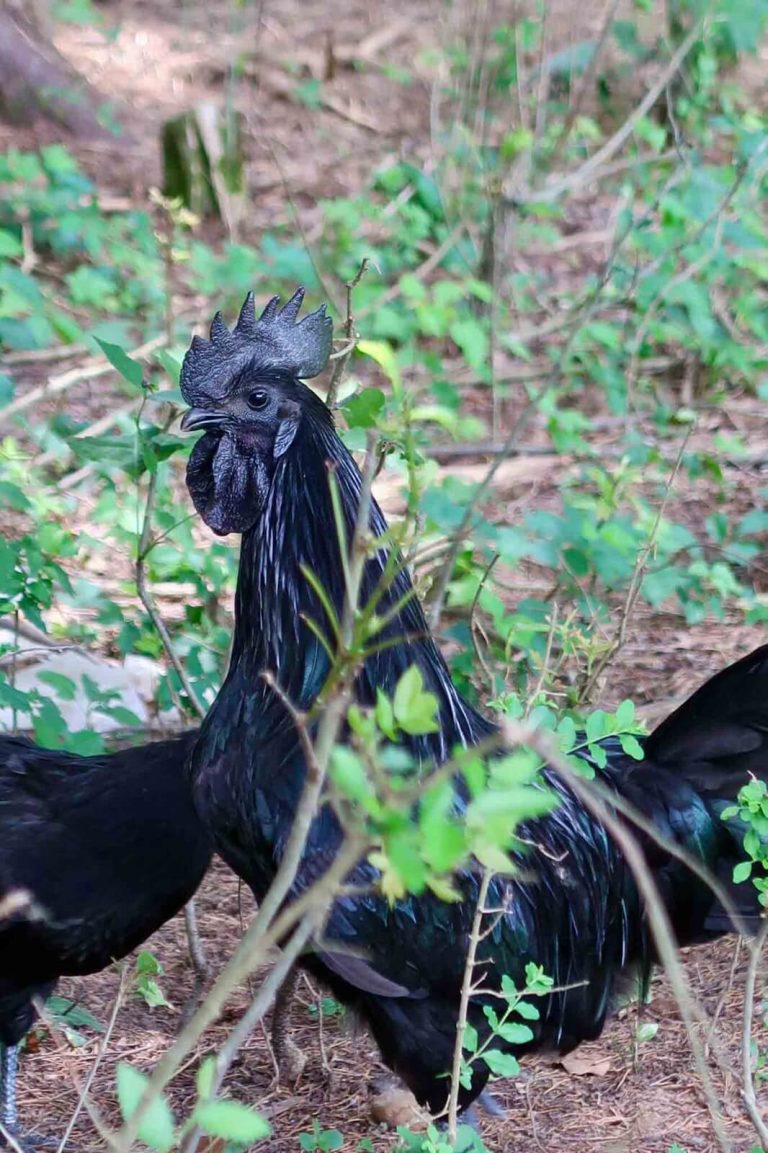
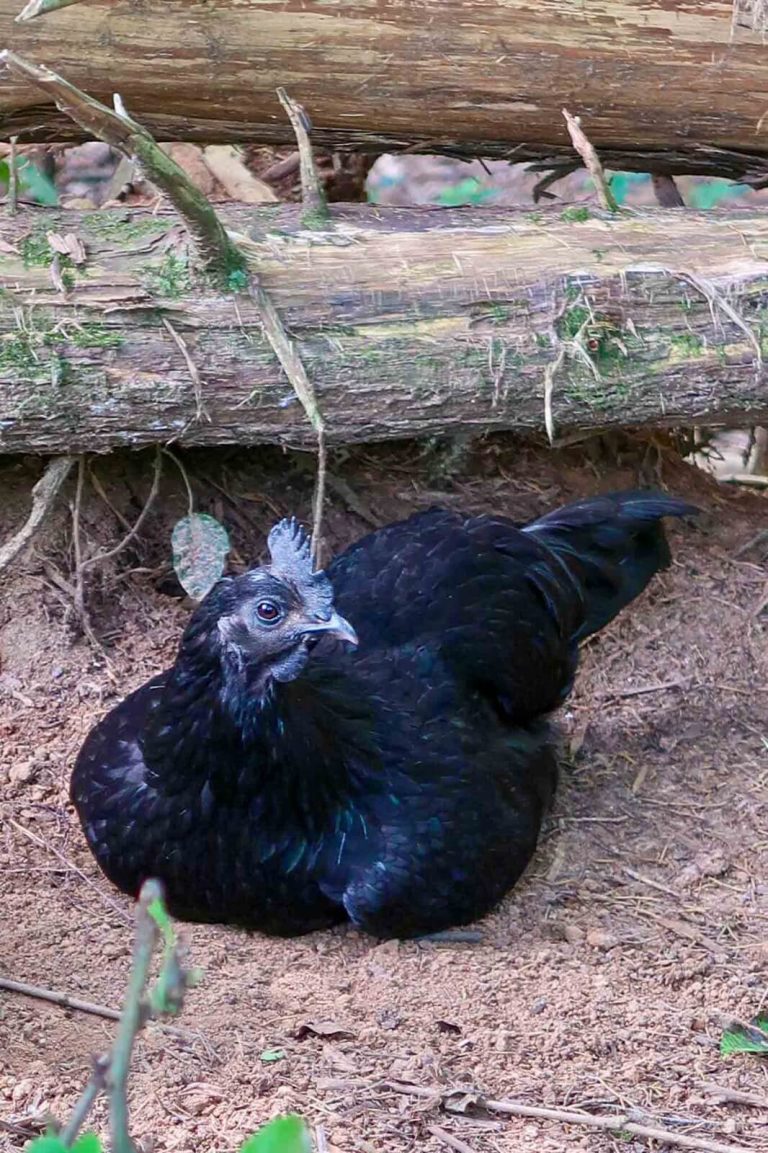
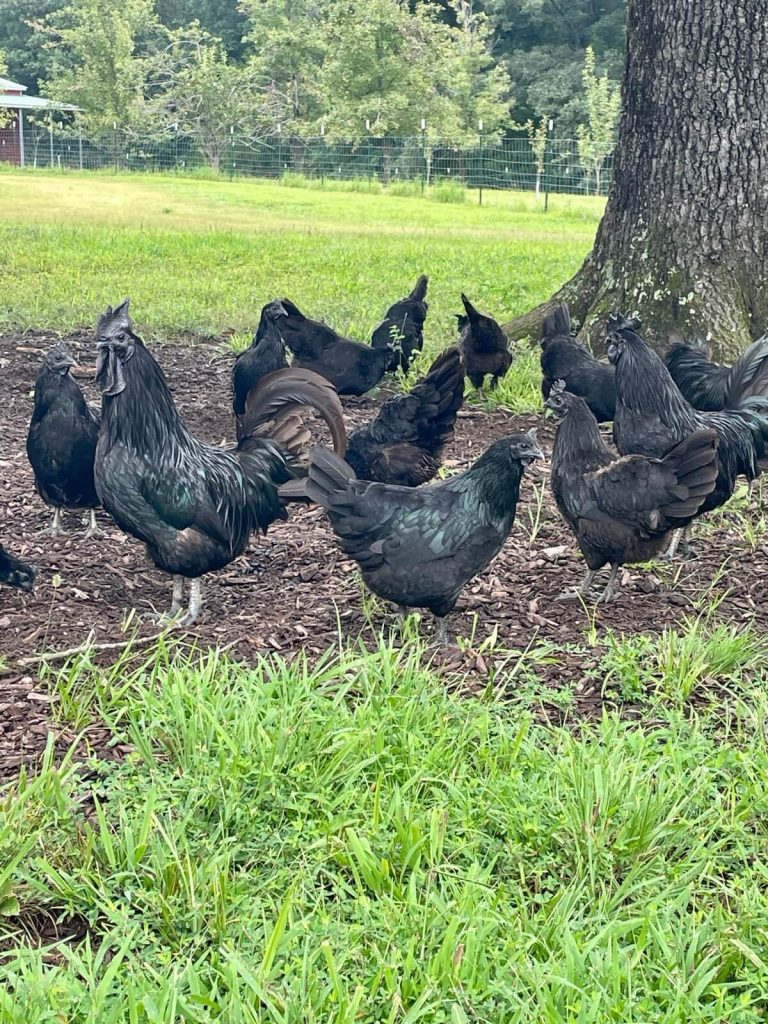
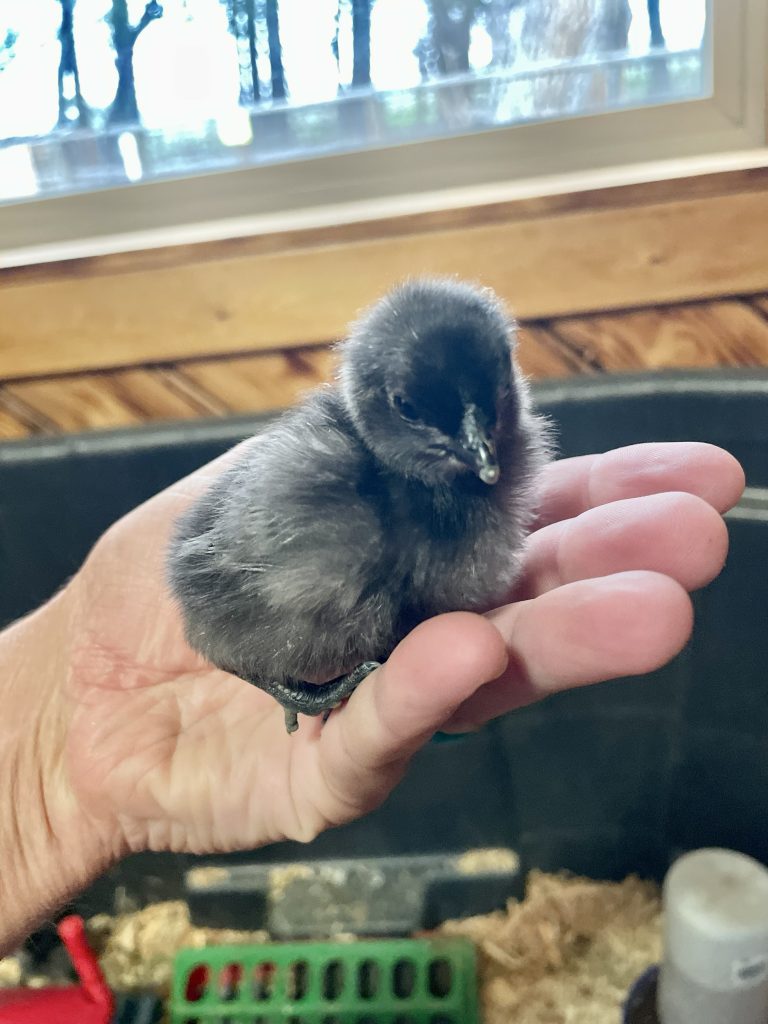
As you may have seen us share about Boudica, our favorite all black hen, previously, we wanted to focus on those type of chickens to match her. We landed on the Swedish Black Hens or Svarthöna due to their rare status, extreme cold-hardiness, great winter laying and foraging abilities, docile behavior, and because they matched Boudica. Svarthöna are a rare landrace from Sweden. They’re the cold-hardy cousins of the famed Ayam Cemani.
With a rare bird, we enjoy sharing what we learn about them while also trying to assist in growing their numbers. With Wyoming being so rural and sparsely populated, it would be harder to find interested parties in Svarthöna just in state.
Enter NPIP.
To ethically ship hatching eggs (we aren’t interested in shipping live birds) interstate, you need to be certified and tested by NPIP. So we joined the program, sold our Salmon Faverolles with NPIP certification and retained our Svarthöna (incubated from NPIP hatching eggs we shipped in).
We didn’t join NPIP simply because we wanted to ship eggs. We joined because shipping allowed us to place Svarthöna into responsible flocks outside Wyoming, helping grow awareness and preserve a rare landrace.
Even if not purchasing from out of state, NPIP certification can provide interested chicken tenders with additional confidence that we’re doing things by the book per the state at the twice a year testing.
What NPIP Does Well
NPIP provides a clear, standardized framework for selling and shipping poultry and eggs across state lines. Imagine 50 states plus Puerto Rico all operating independently without that framework and you can see why the process could spiral out of control into major confusion. NPIP brings everyone together to, at least, make it easier and more understandable to determine shipping obligations to each state.
NPIP provides a common language for breeders and buyers to understand.
In both states we participated in, the state coordinators and testers were beyond helpful. I’ve yet to encounter someone working for NPIP that hasn’t been helpful and responsive to questions or concerns.
If a disease outbreak occurs, NPIP has the means to track the spread back to its source and to where it might affect places in the near future. When certain diseases can take out a whole flock overnight, it’s helpful to have those safeguards in place.
Our Experience in Wyoming
Wyoming’s NPIP program was quite small at the time, which isn’t surprising considering how sparsely populated the state is. We had two testers come out to test all our chickens, check out our incubators and coop, and give us a rundown on biosecurity.
The testers were so nice and the process was super easy and stress-free. The NPIP state coordinator was very helpful in explaining how the process worked in Wyoming and what the next steps were to get 9-3 forms for moving poultry across state lines. The tester even reached out to me to schedule the next test date rather than us having to reach out to schedule a date.
At that time, joining the program was free because the state wanted to encourage participation to track poultry diseases.
The only real challenge was that, at least at that time, Wyoming didn’t have an online portal to easily request a 9-3 form. We emailed all the pertinent information to the coordinator and he populated and approved the form for us. Honestly it wasn’t even much of a challenge and we found the program enjoyable to be a part of.
With rural Wyoming feeling safe, having our personal information advertised publicly wasn’t a terrible position to be in even if we weren’t a huge fan of being exposed on the internet. Being a NPIP participant aligned with our goals at that point in time.
We moved to Tennessee, a quick decision, before the next testing date so our experience with NPIP was limited in Wyoming.
Our Experience in Tennessee
We rejoined NPIP in Tennessee pretty quickly after getting settled in. We had downsized our flock for the move so the initial testing was very quick.
The program costs $75 annually to join. The cost isn’t terrible, but does factor into business decisions to continue if shipping out of state doesn’t comfortably cover the expense.
Our tester didn’t need to see our setup, he just focused on testing the birds.
Tennessee has an online portal where you input your own information related to stock number, what you’re shipping, shipping info, etc. It’s streamlined well and makes the process easy.
Differences from Wyoming
- Cost (free vs $75)
- Form 9-3 creation (email notice vs online portal)
- Inspection (viewing incubators, coop, and run vs no inspection)
Overall we had no issues with the NPIP program itself in Tennessee either.
Why We Chose to Leave
We decided to leave NPIP in 2026 due to a few different factors.
- Homestead goals shifted
- Out-of-state shipping wasn’t frequent enough (cost/benefit analysis)
- Family privacy concerns
- Svarthöna interest growth locally
Homestead Goals Shifted
Our focus is currently on simplifying. A great way to do that is to focus on local sales where NPIP isn’t required and doesn’t require updating shipping costs in the back office of our shop throughout the year.
If you’re new to chicken breeding and shipping, you’ll soon find out that it can be rife with customers not understanding how harsh shipping can be on poultry (eggs included!) and that breeders can’t control quality once the package leaves their possession. A 50% hatch rate for shipped eggs is excellent in my experience. Many times bad reviews and chargebacks occur because of issues completely outside of a breeder’s control. It can make for a very frustrating process.
Simplifying by cutting that portion of our homestead out, no matter how infrequently shipping happens, is a great way to free up mental capacity. We can still ship within Tennessee but encourage local pickup. And again, we don’t ship live birds.
Out-of-State Shipping Wasn’t Frequent Enough
The cost-benefit analysis showed us that staying in the NPIP wasn’t worth the annual cost plus keeping shipping supplies on hand. To get good prices on shipping supplies (boxes, tape, packing peanuts, egg cartons, business cards, the how-to guide we wrote and share with every purchase, etc.) make sense, you need to buy in bulk. With how little we ship out of state, it doesn’t make sense to buy in bulk and have the shipping inventory take up space.
We also don’t ship enough out of state to truly cover the annual NPIP fee enough to make the process worthwhile. We’re a small, family run homestead just wanting to share the love of Svarthöna with others and this isn’t anywhere near a main source of income.
Family Privacy Concerns
This aspect has truly weighed on us over the years. We’ve never been comfortable with our home address or phone number being listed publicly but in Wyoming it felt safer. As our name grew and people sought our chickens in Tennessee, we encountered some safety concerns with our address being public. Surprisingly people can get really crazy about chickens.
As our flock became better known, we realized that publicly listing our home address no longer aligned with the level of privacy we wanted for our family.
NPIP is unfortunately a bit unfair for smaller, backyard homestead breeders. The Tysons and Vital Farms of the world don’t experience the same safety concerns because their locations are not personal addresses or phone numbers.
Privacy and safety took precedence for us over income to cover some feed costs.
Svarthöna Interest Growth
We’ve sold chicks locally and shipped hatching eggs to over six states across the USA. I’m so excited that we were the first to introduce Svarthöna to Wyoming and to Tennessee.
We were the first Svarthöna breeders to join NPIP in both states and helped to proliferate the love of the landrace. As of this writing, the new NPIP participants with Svarthöna come from our flock that we’ve worked on, cared for, and loved for years.
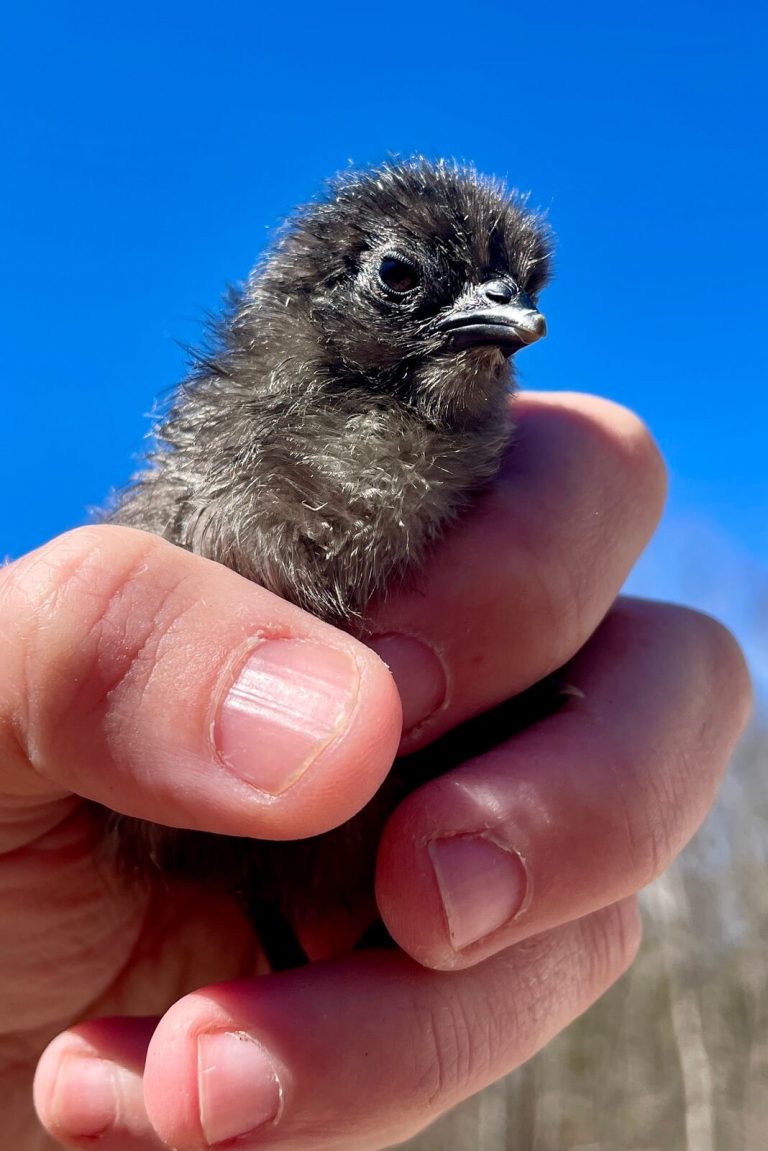
One of our goals has always been to help preserve heritage livestock, not simply own it. Seeing new breeders in both states working with birds that trace back to our flock has been incredibly rewarding.
We’re so proud of that accomplishment and we feel that we’ve truly helped to grow the landrace and that we don’t need to ship interstate anymore. We’ll happily continue to share chicks and hatching eggs with our local Tennesseans though.
Overall, as our family evaluated the future of our homestead and breeding program, privacy became an increasingly important consideration. For a small, family-run operation focused primarily on local sales, allowing our private contact information to be public no longer aligned with our goals.
We understand that some buyers prefer to purchase only from active NPIP participants, and we respect that choice. Every buyer has different priorities and comfort levels. Our goal is simply to be transparent about our practices and the reasoning behind our decisions.
We didn’t leave NPIP because we stopped caring about our birds. We had no negative experiences with the NPIP program itself. We left because our homestead model, priorities, and privacy considerations changed.

What Hasn’t Changed
So what changes are happening here at home with us leaving NPIP?
Nothing.
We still maintain proper biosecurity practices including who can enter the premises and the cleanliness and upkeep of the coop, incubators, and brooders.
We don’t bring in birds from outside flocks, but if we ever did, proper quarantine would occur.
We still focus on selective breeding, including physical presentation, temperament, and health, to reach the ideal we have for the Svarthöna landrace. You can read more about that here.
We are, as always, committed to healthy, well cared for birds which includes organic feed along with free-ranging to let chickens be happy chickens.
Want to learn more about our Svarthöna (Swedish Black Hens)?
Check out our breeding and care philosophy along with the history of these amazing rare and striking birds here.
Is NPIP Worth It?
It depends on your goals. Neither joining nor not joining are automatically right or wrong choices.
Might be worth it:
- Ship nationwide frequently
- Required for programs you participate in (exhibition shows)
- Household depends on hatchery income
- Breeding a highly sought after or saturated market breed
Might not be worth it:
- Primarily sell locally
- Cost outweighs the benefits
- Privacy concerns are high
- Maintain a small flock where the income isn’t significant to your household
For a deeper dive into whether it might be worth it for you to join NPIP, check out our beginner guide post here.
Final Thoughts
We have no regrets joining NPIP but we also have no regrets leaving. Participating served our needs for a time, introduced us to some great people who cherish Swedish Black Hens, and let us experience a new way of sharing our love for this rare breed with others.
Homesteading isn’t about refusing to change. It’s about making intentional changes that better reflect goals, values, and the life you’re trying to build. For us, leaving NPIP was one of those decisions.
Life isn’t stagnant and, when circumstances change, we must change with them.
Learn practical homesteading skills and see what’s happening on the ‘stead in ONE helpful email each month.
Never Spammy, Sometimes Helpful, Always Entertaining
FAQ
Why aren’t you NPIP anymore?
We found that our homestead desired more privacy (NPIP publishes the address of the flock), didn’t ship nearly enough interstate to justify the costs, and simplification became a goal.
Would you ever rejoin?
Yes! If circumstances changed and we could manage the concerns that originally had us leave, we would join again.
Do you still practice biosecurity?
Of course! We still care for our birds in the same way. We love the living creatures we are responsible for, and we care for them with the same regard we give ourselves.
Can I still purchase eggs or chicks?
Yes! We still sell Swedish Black Hen or Svarthöna hatching eggs and chicks. Reach out to us at Jamie@ardaacres.com for more information or check out our Svarthöna info page here.